Need a qualified Surrey electrician for electrical inspections? We examine electrical system components to current safety regulations and provincial standards. We perform AFCI/GFCI testing, measured load balancing, conductor sizing checks and insulation resistance testing where warranted, plus detailed documentation with photos and code citations. Urgent issues like buzzing panels, warm breakers, flicker, or shocks receive prompt safety responses. You'll receive quick verbal updates and a complete evaluation within 24-48 hours featuring recommended fixes, permit details, and compliance needs-full details provided.
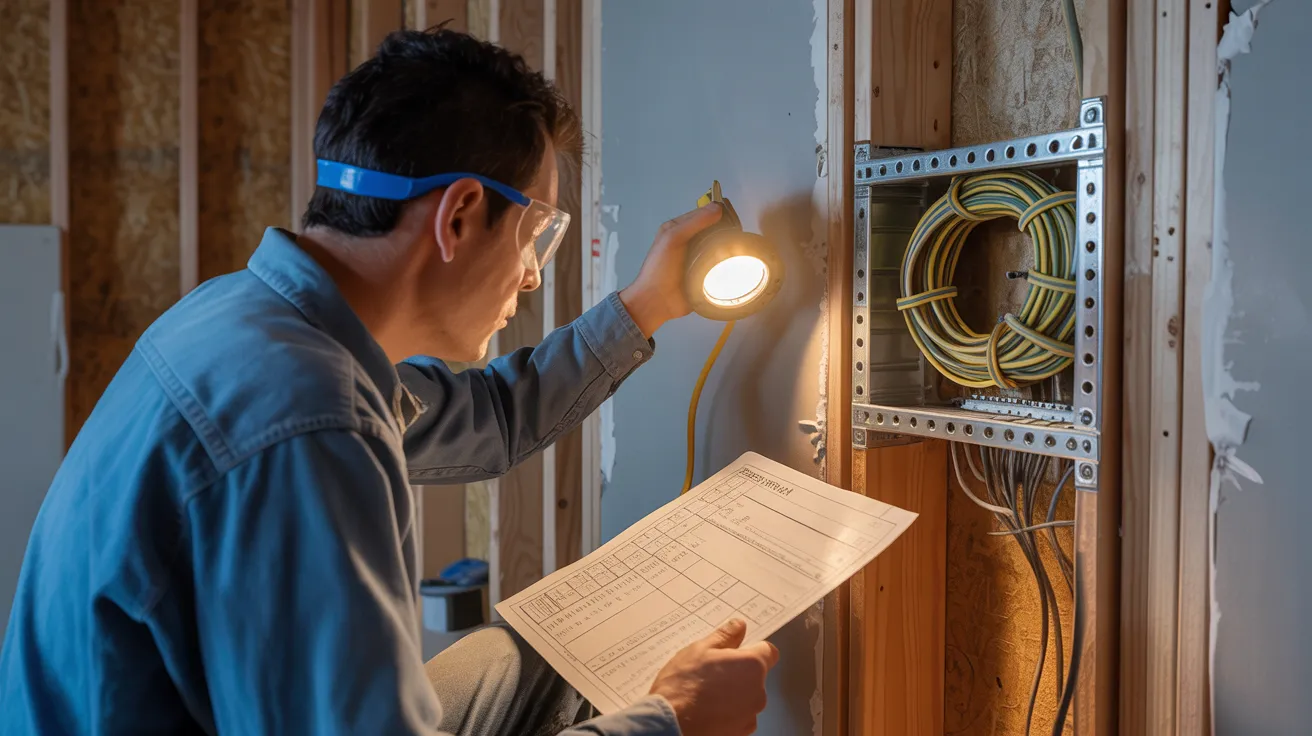
Important Insights
- Thorough panel inspections, with service and overcurrent device testing including calibrated breaker analysis and validation of AFCI/GFCI protection to ensure compliance with BC Electrical Code requirements.
- Wiring, grounding, and conductor integrity evaluations, comprising insulation integrity verification, aluminum connection inspections, and thorough bonding and grounding system checks.
- Quick safety assessments for flickering lights, overheating issues, panel vibration, frequent breaker trips, and failed safety device tests, with prompt safety shutdown advice.
- Efficient on-site workflow: An efficient 1-3 hour inspection, detailed pre-checklist examination, immediate verbal results, and comprehensive written report delivered within 24-48 hours.
- Verify and ensure TSBC-compliant permits and documentation, including confirmation of FSR class, contractor licence, WCB clearance, insurance, and calibration documentation.
The Importance of Electrical Inspections for Surrey Properties
Although electrical wiring is typically concealed within walls, professional inspections protect against unseen risks, compliance issues, and operational disruptions. You minimize fire hazards, problematic electrical interruptions, and component malfunctions by ensuring that electrical systems conform to current BC Electrical Code specifications. For owners and managers of older properties, inspections identify outdated wiring unable to handle modern loads, aluminum connections requiring antioxidant treatment, and insufficient breakers that may cause heat problems.
Commercial property inspections help maintain operational reliability by confirming proper labeling, current ratings, and protective device installation in critical locations. You can also boost operational effectiveness when you combine inspections with energy audits, detecting overloaded neutrals from non-linear loads and addressing power factor concerns. When you invest preventively, you can prevent urgent service calls, insurance problems, and regulatory violations in Surrey.
Understanding Your Comprehensive Electrical Inspection
The inspection starts with a comprehensive panel and circuit evaluation, confirming the proper breaker ratings, load balance, labeling, and bonding according to BC Electrical Code. Subsequently, there will be comprehensive wiring and grounding assessments validating conductor types, terminations, GEC/bonding continuity, and insulation integrity. To conclude, there's safety device verification checking GFCI/AFCI operation, surge protection, and required alarms to ensure code-compliant protection.
Electrical Panel Analysis
Initialize at the core of the system: the service panel and branch circuits. You check the panel's rating, bus bar state, and primary bonding connector, then validate adequate clearance and correct dead-front installation. You evaluate torque on lugs, tight neutrals, and evidence of overheating or deterioration. Circuit breaker ratings should align with conductor ampacity and device listing; dual breaker read more usage must comply with the panel's specifications.
You review breaker labeling for correct marking and longevity, verifying each circuit is clearly marked for safe service. You assess load balancing across phases to limit neutral current and nuisance trips, comparing measured loads against the calculated service demand. You verify AFCI/GFCI protection where required, reject mixed neutrals under one terminal, and identify any overfilled gutters or missing clamps. You list deficiencies with applicable code standards.
Electrical Wiring and Ground Testing
Prior to opening a device box, confirm that branch-circuit wiring types and sizes meet their ampacity, listing, and environment per NEC 110.3(B), 110.14, and 310. Confirm conductor temperature ratings are compatible with terminal connections, and that listed aluminum terminations have proper treatment. Examine wire jacket identifications, ensure NM installations are limited to dry areas, and ensure adequate support and protection measures as specified in 300.
Inspect grounding conductor equipment for connection integrity and continuity per 250. Assure metal enclosures, boxes, and raceways are properly connected, with certified fittings and bushings where required. Validate grounding electrode conductor dimensions, connections, and access. Check resistance levels on critical circuits and feeders, and record any megger readings failing to meet requirements. Address bootleg neutrals, reversed polarity, and shared neutral connections lacking handle ties. Preserve neutral isolation in subpanels.
Safety Equipment Verification
With wiring and grounding confirmed, examine the protective devices responsible for fault current interruption and damage limitation. Check all devices against code requirements: service disconnects, overcurrent protection devices, circuit breakers, ground fault protection, and arc fault detection. Perform circuit breaker testing with calibrated tools, confirming trip curves and reset functionality. Verify RCD performance through trip current and time measurements; replace any failed units immediately. Check emergency power-off systems for HVAC, PV, EVSE, and mechanical equipment to confirm clear marking, unrestricted access, and effective isolation. Inspect surge protective devices, wiring connections, and bonding points. Check housing integrity, ingress protection, and tamper resistance: fastened panels, undamaged seals, and properly tensioned connections. Verify selective coordination of protection systems to prevent nuisance tripping, and record all results including device serials, configured settings, and measured values.
Key Indicators You Need an Urgent Electrical Safety Inspection
Although certain electrical problems seem small, certain indicators necessitate a prompt electrical safety assessment to avoid electrical fires, shock hazards, or appliance damage. Should you spot lights dimming or outlets flickering during appliance operation, you could have loose neutral connections, circuit overloads, or failing wiring. Discolored receptacles, burning odors, or hot faceplates suggest electrical arcing or insulation problems-turn off power and contact an electrician immediately. Frequent breaker trips, warm circuit breakers, panel buzzing, or reset issues signal an electrical problem or overcurrent condition. GFCI or AFCI devices that fail testing or won't reset point to wiring issues or device failure. Shock sensations from metal fixtures, sizzling noises, or visible sparks are dangerous indicators. Avoid troubleshooting energized circuits. Instead, isolate the affected circuit, record all symptoms, and arrange for same-day inspection.
Building Standards, Regulations, and Certifications in Surrey and BC
Given that electrical work is regulated in BC, you must follow the BC Electrical Code (adopted CSA C22.1), the Safety Standards Act regulations, and Technical Safety BC permitting and inspection requirements for every installation, modification, or maintenance project in Surrey. You need to secure permits before starting work, select code-compliant equipment, and confirm appropriate fault protection, terminations, and bonding.
We manage permitting requirements, scope declarations, and scheduling with TSBC, then verify adherence with performance results, electrical schedules, and as-built documentation. Expect arc-fault, GFCI, tamper-resistant receptacle, and bonding provisions installed per the latest Code updates and local requirements. After passed inspections, you receive a inspection certificate or similar documentation. Store it with your facility documentation. Non-adherence can lead to monetary consequences, remedial work, and utility connection setbacks, so harmonize planning, electrical calculations, and identification from the start.
Inspections for Buyers, Renovations, and Routine Maintenance
If you're considering a purchase, renovation, or maintenance work in Surrey, we conduct electrical inspections to verify safety standards, Code compliance, and system functionality prior to financial commitment or wall modifications. For buyers, we assess service panel capacity, grounding and bonding, safety devices, wire terminations and visible connections. Inspection results support resale negotiations and improvement budgeting. For renovations, we review electrical loads, circuit layouts, and wire sizing before beginning the permitting phase, followed by examining installation depth, junction boxes, arc‑fault protection, and circuit identification before drywall. For routine maintenance, we tighten terminations, scan for heat issues, check RCD response times, and check surge suppressors and alarm system integration. You'll receive a written report highlighting problems based on risk level and Code requirements, plus corrective actions and retest timelines.
Finding a Professional, Certified, and Dependable Electrical Contractor in Surrey
When selecting a Surrey electrician, make sure to verify they have a current FSR (Field Safety Representative) class suitable for your project scope, along with an current Electrical Contractor Licence from Technical Safety BC, and appropriate liability/WCB insurance for your project. Remember to ask for the business name, contractor number, and FSR certification; validate this information through Technical Safety BC's registry for licensed verification. Ensure the contractor obtains permits under their company licence, not yours.
To verify insurance coverage, obtain a certificate showing you as a named insured, specifying insurance limits, policy identification, and renewal date. Verify WCB clearance and the adequacy of coverage for project requirements (service upgrades, EVSE, or panel work). Check proof of calibration for test instruments, documented inspection protocols referencing the BC Electrical Code, and compliance track record. Get references from equivalent occupied dwellings.
Project Overview: Timeline, Reporting, and Following Steps
Although inspection requirements differ, anticipate a typical occupied-dwelling electrical inspection to last 1-3 hours on site, starting with a brief pre-checklist review and ending with a detailed inspection report overview. We'll inspect grounding, service size, bonding, safety device protection, conductor sizing, overcurrent devices, and equipment status. Your timeline expectations also includes examination of the main panel, attic access, crawl spaces, and critical circuits, so maintaining clear access routes ensures efficiency.
You'll get same-day verbal results and comprehensive documentation within 24-48 hours. Our reporting procedures cite specific Canadian Electrical Code articles, detail deficiencies by priority (immediate hazards, necessary updates, improvements), and feature photos. Next steps: we calculate repair costs, handle permit applications, and manage utility or ESA notifications. You'll get completion paperwork verifying code-compliant remediation.
Questions & Answers
Do You Offer After-Hours or Weekend Electrical Inspections in Surrey?
Absolutely. You can book electrical inspections in Surrey with flexible scheduling including weekends and after hours. You'll get a licensed electrician who complies with BC Electrical Code, performs load calculations, verifies GFCI/AFCI protection, tests bonding/grounding, inspects panels, breakers, and terminations, and issues a detailed report. We accommodate emergency callouts, tenant-safe entry, and condo/strata compliance. Provide your address, desired window, service amperage, and known issues; I'll confirm scope, ETA, and pricing.
Can I Get Quick Repairs During My Inspection?
Absolutely. You can combine inspections with minor on-the-spot repairs when they're within code requirements, accessible, and minimal risk (such as breaker replacement, securing connections, replacing damaged outlets, GFCI/AFCI fixes). I assess power load specs, electrical connections, and ground connections, then perform safety upgrades where required. If repairs are beyond basic service, I note them, include code requirements, and plan necessary repairs. We'll supply comprehensive documentation covering: discovered issues, completed repairs, parts used, testing outcomes, and compliance notes.
Do Home Insurance Rates Change Following an Inspection?
Your insurance rates may be adjusted following an inspection. Here's what you should know: a clean inspection could result in lower premiums. Insurance providers usually carry out a review, checking electrical system components, safety features, and load requirements. When deficiencies are identified (like aluminum terminations, overcurrent protection issues, or inadequate bonding), costs might rise until issues are resolved. Be sure to submit the detailed assessment, compliance documentation, and images. Seek a premium reevaluation promptly. Keep comprehensive service logs to support future insurance reviews.
Do You Offer Heat Detection and Drone-Based Rooftop Conduit Checks?
Yes. We provide infrared thermography using calibrated thermal detection equipment to identify overloaded conductors, connection issues, and thermal anomalies in breakers without system interruption. We also perform drone-assisted roof conduit inspections via professional aerial monitoring, recording 4K visual and radiometric readings, mapping anomalies to circuit IDs. I document findings with dated visual records, thermal variance data, electrical loading data, and applicable code citations (CEC/NEC). We deliver risk evaluation, remediation urgency, and retesting criteria to ensure corrective actions.
What Measures Protect Sensitive Electronics During Testing?
For safeguarding sensitive electronics, isolate them from test sources. Place them on isolated circuits, open breakers, and implement lockout/tagout according to CSA/CEC. Upon verification of no voltage, move forward to install surge suppression and line filtering at panels and subpanels. Employ true-RMS meters and low-energy insulation testers, avoiding megger testing on live control boards. Remember to bond and ground test equipment, manage inrush with soft-start, and log operational validation steps before returning to normal operation.
Final Thoughts
You're not just checking a box-you're strengthening your electrical backbone. A comprehensive, regulation-aligned inspection converts speculation into precise, concrete findings: load calculations, bonding continuity, GFCI/AFCI validation, grounding resistance, panel torque, and permit compliance. When a licensed Surrey electrician examines your system, concealed faults become visible before they cause problems. Don't take chances with overheating, electrical faults, or damage claims. Book your assessment, obtain your findings, complete the repairs. Ensure your safety with assurance-properly inspected and ready for years to come.